So you want to write your family history…


Writing Your Family History

Writing your family history is important for several reasons, as it can have a profound impact on both current and future generations. Here are some key reasons why it is valuable to document and preserve your family history:

Preserving Heritage: Family history serves as a record of your cultural and familial heritage. It allows future generations to understand their roots, traditions, and the journey of their ancestors. Preserving this heritage helps maintain a sense of identity and connection to the past.

Passing Down Stories: Family history often involves personal stories, anecdotes, and experiences. By documenting these stories, you ensure that they are passed down through the generations. This not only helps maintain a connection to the past but also enriches the family narrative.

Learning from the Past: Family history can provide valuable lessons from the experiences and challenges faced by previous generations. Understanding how your ancestors navigated life’s obstacles can offer insights and guidance for present and future family members.

Building a Sense of Belonging: Knowing where you come from fosters a sense of belonging and unity within the family. It can strengthen family bonds and create a shared identity among relatives, even those who may be geographically distant.

Preserving Family Traditions: Documenting family history includes capturing traditions, customs, and cultural practices. This ensures that these elements are not lost over time and can be continued by future generations.

Connecting Generations: Family history provides a bridge between generations. It allows older family members to share their experiences with younger ones, fostering a sense of connection and mutual understanding. This intergenerational communication helps build stronger family ties.

Celebrating Achievements: Family history often includes notable achievements, milestones, and successes. Celebrating these accomplishments can instill a sense of pride and motivation in current family members, inspiring them to pursue their goals.

Medical History Awareness: Documenting family health history can be crucial for understanding hereditary conditions and potential health risks. This information can be valuable for future generations in making informed healthcare decisions.

Creating a Legacy: Writing your family history allows you to leave a lasting legacy. It is a way to be remembered and to contribute to the collective memory of your family. Your stories and experiences become part of the ongoing narrative of your family’s history.

Inspiring Future Generations: Sharing stories of perseverance, resilience, and success within the family can inspire future generations to overcome challenges and strive for their goals. It provides a sense of continuity and a foundation for personal growth.

In summary, writing your family history is a meaningful way to preserve and share the rich tapestry of your family’s past, fostering a sense of identity, connection, and understanding among family members across different generations.

So you want to write your family history…

Happy German Heritage Month


It’s estimated that 50 million Americans have German ancestry, around 17% of the population.

Celebrate by:

Visit a museum- Get some friends together and explore the history and discover the contributions that German-Americans gave to America.

Invite your friends and family over for a night of wine and dining. Taste the foods and customs of Germany.

Connect with your living relatives to learn about your Germanic ancestry.

Happy German Heritage Month

Using Maps for Genealogy and Finding Your Family History in Rural Areas


Recently I was reviewing electronic Grantee and Grantor Deeds in Juneau County, Wisconsin at https://www.co.juneau.wi.gov/register-of-deeds1.html. The county register of deeds has scanned and made pdf file extensions available for the years 1880 – 1989 for researchers to look at Grantee/Grantor Index.

The files are in year increments of five years or so and ordered also by alphabetical by the surname. These files provide in columns the type of instrument and number, i.e., warranty deed, mortgage, etc., next if looking at the buyer (grantee) you will find the name and the seller (grantor), next the recorded volume and page in the deed book. With the instrument number and the deed booklet volume and page, you can ask the Register of Deeds office for help in the full description of the deed down at the time your ancestor either bought or sold land in the area.

Eventually I was provided the details of my great-grandfathers purchase of farm land in 1897. Once I learned the township number, range and section area, I could better pinpoint on an original plat map for the area and time to identify my great-grandfather’s name on the map. When I found his name on the map I was excited to see and wonder about many other items about his time on this land. I wanted to learn more about the landscape and area he owned. I was able to see on the plat map that a railroad went across part of his 130 acres of farm.

Some other resources I looked at to learn more about the land, was to locate the original survey maps and notes from when the state and area of interest was laid out by the government. To do this I consulted Wisconsin Public Land Survey Records: Original Field Notes and Plat Maps at https://digicoll.library.wisc.edu/SurveyNotes/SurveyNotesHome.html

One of the key items you will need is the actual legal section line to locate the land of interest. The quickest way is to look at your plat map and also the deed information you collected (like above). Once you have this information you be able to learn what the original surveys saw and described in notes about the land at the time the survey was conducted. For my area of interest that was in 1851. For some areas of southern and eastern Wisconsin those surveys can go back to the 1830s. One of the interesting items is to learn what the landscape looked like prior to the modern age and before most European immigrants came.

Using Maps for Genealogy and Finding Your Family History in Rural Areas

Became part of the Conference Ambassador Program for 2021 International German Genealogy Conference 17 July 24 July. Sharing my genealogy excitement


https://playbacknow.regfox.com/iggp2021?r=ROBERT6323

The International German Genealogy Partnership is thrilled to announce that the 2021 International German Genealogy Conference will be held virtually from 17 July to 24 July 2021 with the theme of “Researching Together Worldwide / Weltweit Gemeinsam Forschen”. This new format allows both passionate genealogists and expert speakers from around the world – including many from our partner organizations in Germany – to attend and participate. Will you be one of them?

Became part of the Conference Ambassador Program for 2021 International German Genealogy Conference 17 July 24 July. Sharing my genealogy excitement

In Memory of My Uncle William T. Rettammel: World War II Service – European Theater


European Theater with 5th Division, Company “M” 411th Infantry

William T. Rettammel, MP

Private 1 st Class:

Joined – Enlisted in U.S. Army-May 16, 1941

In U.S. Service for 7 Months and 8days (trained in Fort Custer Michigan)

Inactive Status ERC November 24, 1941 to January 21, 1942

Date of Recall:  January 22, 1942 at Fort Sheridan, IL.

Service Outside of U.S. and return dates:

            Date of Departure: April 7, 1942 to Europe Theater, arrived on April 18, 1942

            Departed Europe: September 1, 1945 and arrived in U.S. on September 11, 1945

Military Occupation and Specialty Number: Rifleman 745

Military Qualification(s): Exp. Infantry Badge and Combat Infantry Badge

Battles and Campaigns: Normandy, Northern France, Ardennes, Rhineland and Central Europe

Decorations and citations:

  1. American Defense Service Ribbon,
  2. European African Middle Eastern Theater Ribbon w/1 Silver Battle Star,
  3. 6 Overseas Service Bars,
  4. 1 Service Stripe,
  5. Good Conduct Medal GO 61 Hq 1612 SCU 1945 Ft. Sheridan IL.
William T Rettammel – early 1945 Germany.
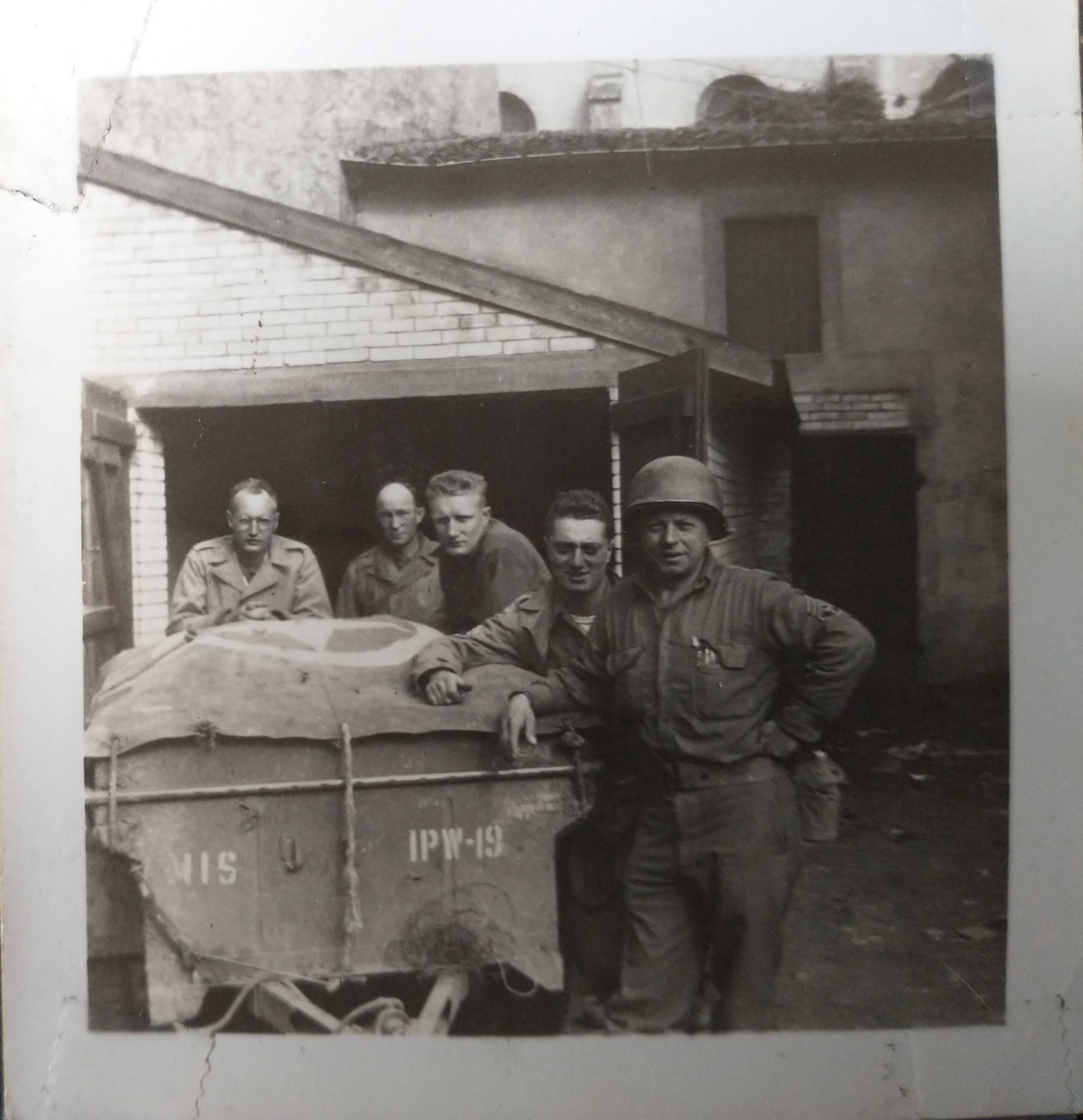
William T. Rettammel, 3rd from left – with follow soldiers in Germany, early 1945.
Left photo – William T. Rettammel in Germany 1945. Right photo – William T. Rettammel (left) with Army buddy in 1945.
William T. Rettammel – Left photo – second from right in Germany early 1945. Photo Right – William T. Rettammel, MP with German soldier prisoners in Germany early 1945.
In Memory of My Uncle William T. Rettammel: World War II Service – European Theater

Grateful Dead: Sound Storm outside Rock Festival.


Wisconsin History

Next week is the 51st Anniversary of the Grateful Dead Sound Storm concert in Poynette, Wisconsin. The first Wisconsin outside rock festival. Thanks Irene York for placement on her farm.

See the following historical essay: https://www.wisconsinhistory.org/Records/Article/CS374#:~:text=Grateful%20Dead%20Performing%2C%201970&text=Sound%20Storm%2C%20Wisconsin’s%20first%20outdoor,of%20Poynette%20in%20Columbia%20County.

Grateful Dead: Sound Storm outside Rock Festival.

Some Steps to Successful Genealogy Research


Good reminders

  1. The Objective
    • Identify your question or questions.
    • What will your search strategies look like?
    • Break down the objectives into smaller, focused mini-goals.
  2. Sources you want to Search
    • List Record Groups that may help answer your research question.
    • List specific sources to search within record groups.
    • Locate Repositories holding the sources, are they at the archive or library?
  3. Search the Source
    • Have a research log – Note all results – positive and negative.
    • Copy raw information or obtain a copy (certified?) of the original document.
    • Record the source citation data (very important to due at time of research!).
  4. Review and Analyze the Information
    • Evaluate the Information (you need to do this).
    • Record the findings in notes or a database or excel sheet.
    • Determine next Steps (there is always more we can do, plus new sources open up).
    • Oh the possibilities
  5. Repeat the Steps above.
  6. Don’t forget to also look at those experts in the field that have been able to answer research questions with thoughtful analysis and evidence. They are our guides to being successful.

Some Steps to Successful Genealogy Research

Black History Month: Underground Railroad in Wisconsin


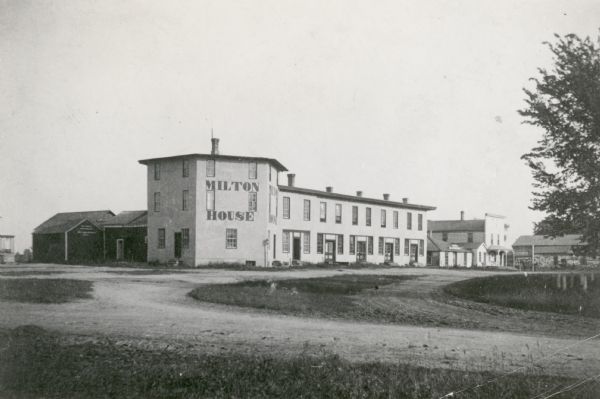
The Milton House was supposedly a part of the Underground Railroad during the Civil War. The house was built in 1845 by Joseph Goodrich and turned into an Inn. The frame house and log cabin behind the Inn were also built by Goodrich, along with the Milton House Tavern. The Milton House was later taken over and turned into a museum.

The Milton House was supposedly a part of the Underground Railroad during the Civil War. The house was built in 1845 by Joseph Goodrich and turned into an Inn. The frame house and log cabin behind the Inn were also built by Goodrich, along with the Milton House Tavern. The Milton House was later taken over and turned into a museum.

Wisconsin Historical Society, Creator, Title, Image ID. Viewed online at https://wisconsinhistory.org/Records/Image/IM39828

Historical Essays: https://wisconsinhistory.org/Records/Article/CS566

Black History Month: Underground Railroad in Wisconsin

Remember the liberation of Auschwitz-Birkenau on January 27, 1945


Today is the anniversary of the liberation of Auschwitz-Birkenau on January 27, 1945 by the 60th Army of the First Ukrainian Front. Visit http://auschwitz.org/en/

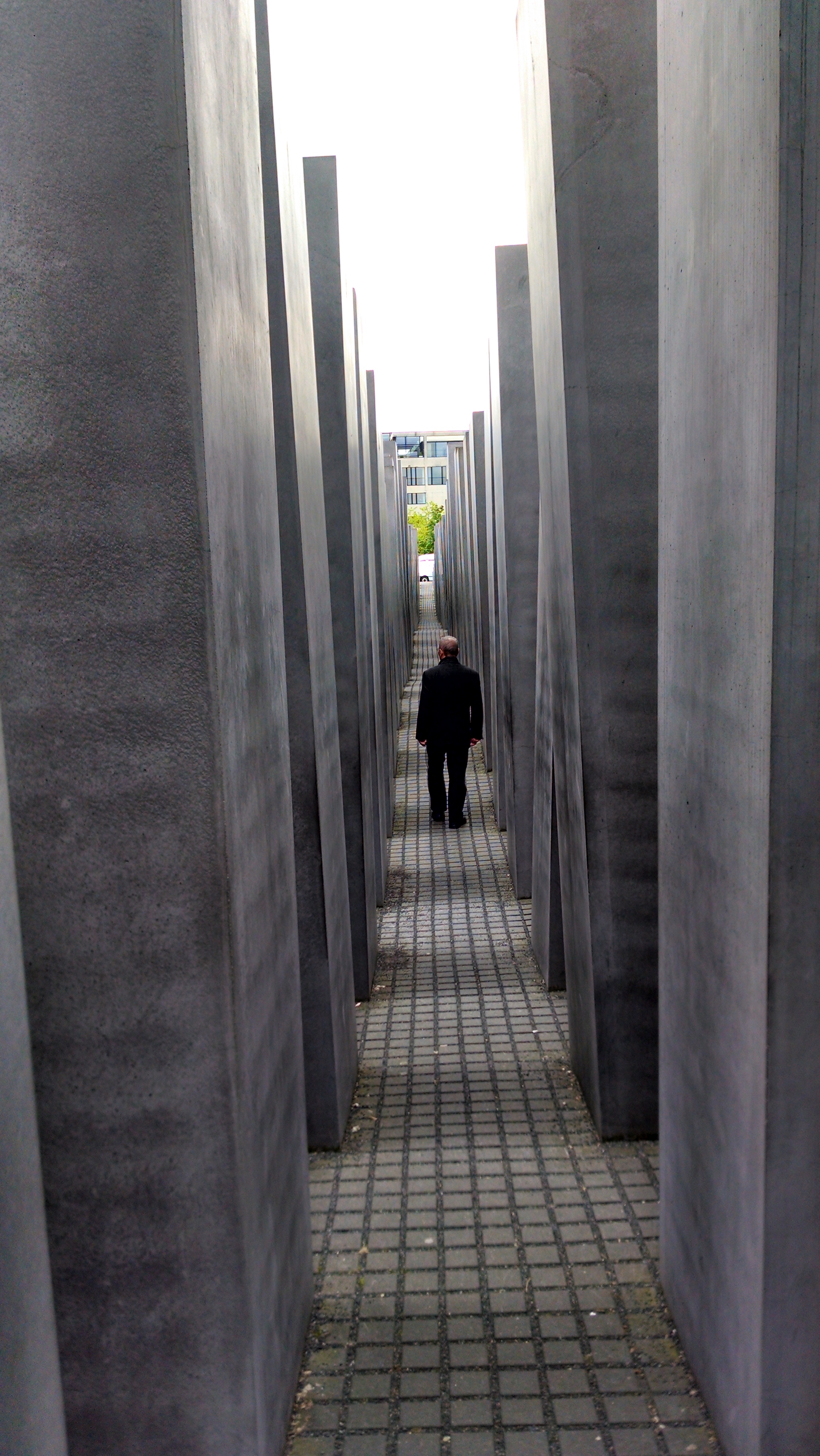
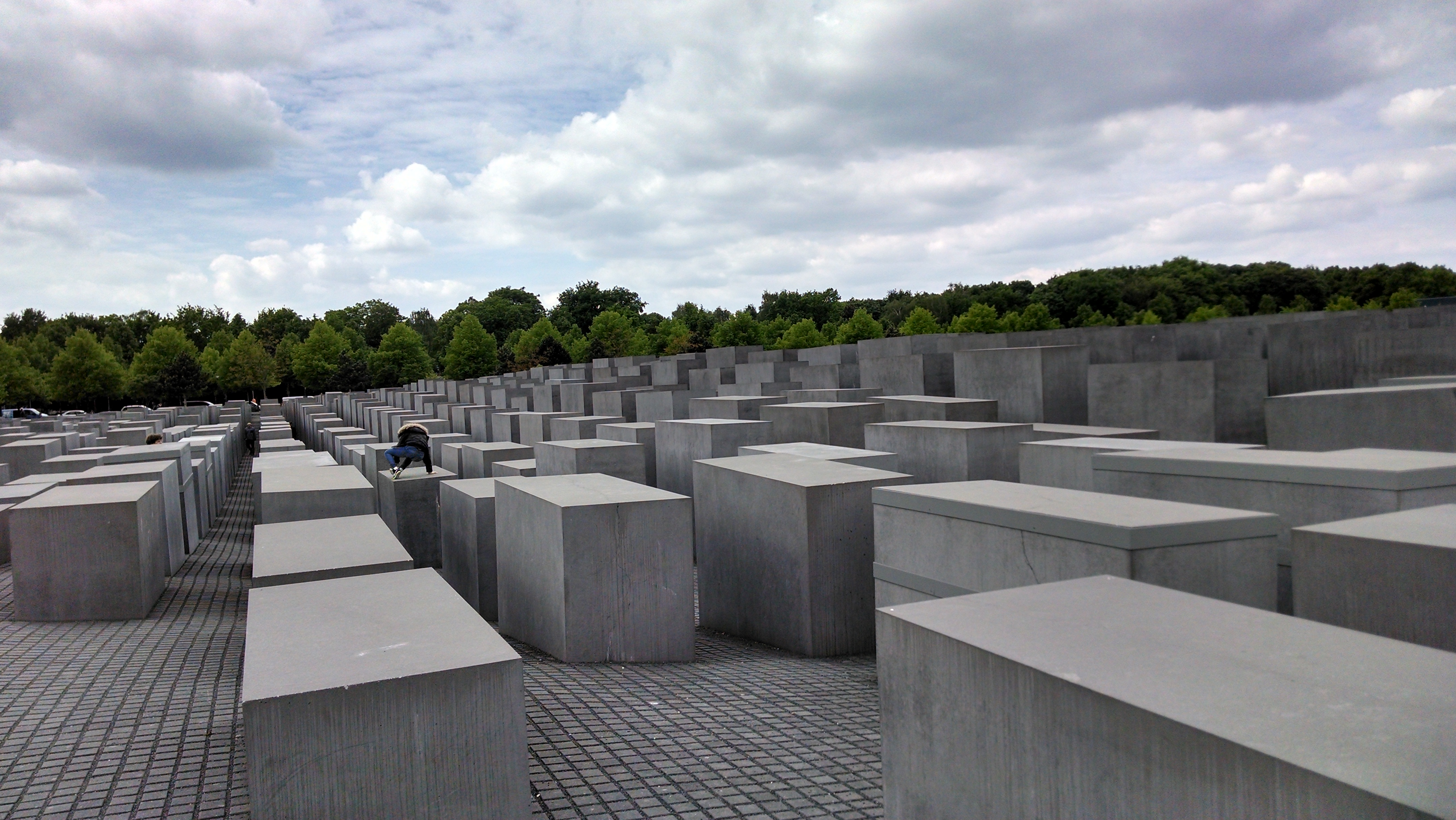
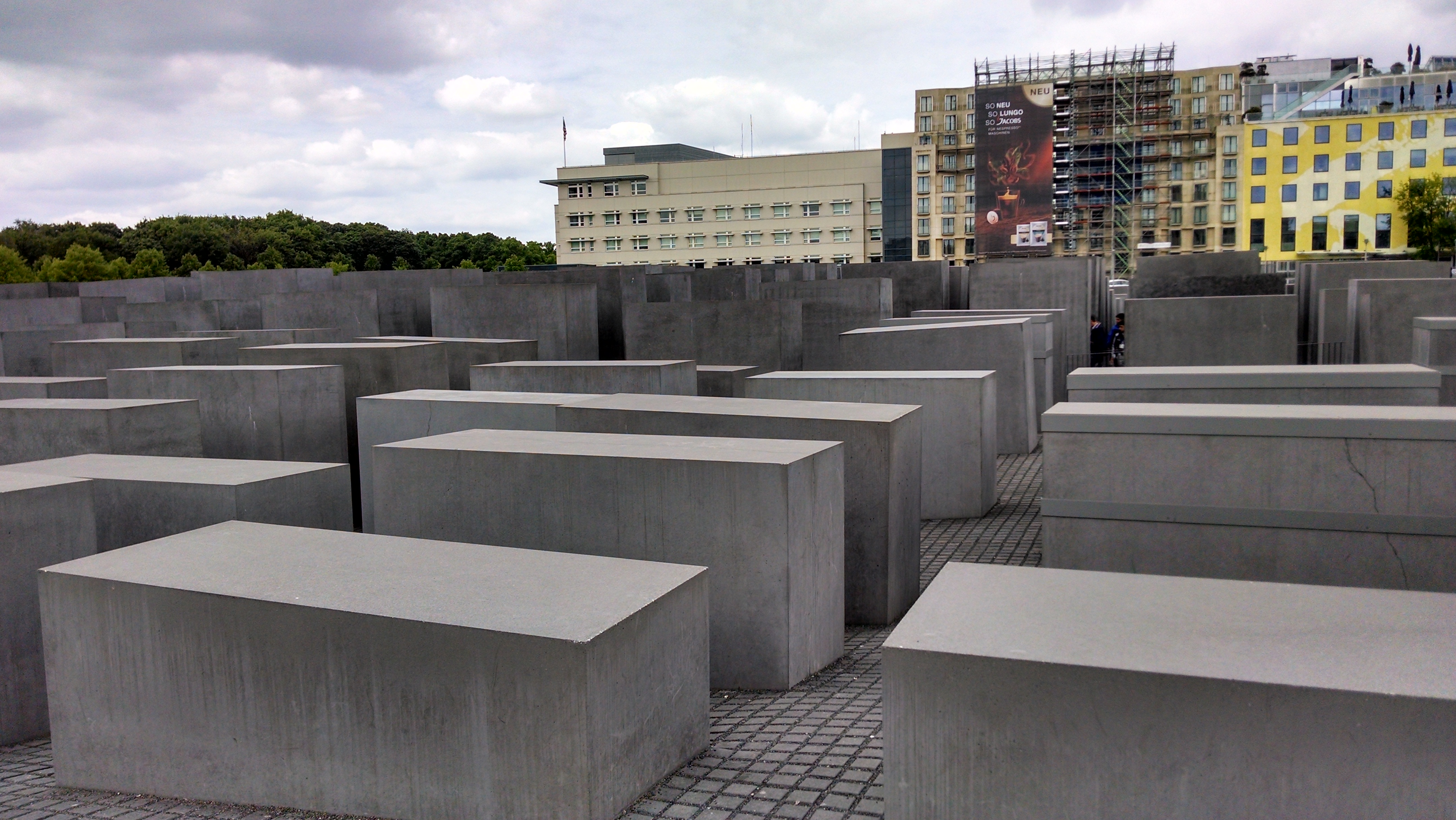
In 2014 I visited Berlin and went through the “Memorial to the Murdered Jews of Europe”, called Holocaust Memorial by most Berliners. Opened in May 2005, the memorial in Berlin-Mitte is located near the Brandenburg Gate. It took 17 years for the Memorial to be completed in Berlin. Its foundation stone was a Bundestag resolution passed on June 25, 1999 to erect a Memorial to the Murdered Jews of Europe. This was followed by years of discussion and deliberation, until the Monument was completed on May 8, 2005. US architect Peter Eisenman conceived the winning design consisting of 2711 rectangular blocks of concrete laid out in grid formation, recalling tombstones.

Here are pictures from my visit:

Remember the liberation of Auschwitz-Birkenau on January 27, 1945