
Reference and Archive Librarians at WHS are so wonderful to work with! Their knowledge has been such an asset to me.
Author: Rettwent
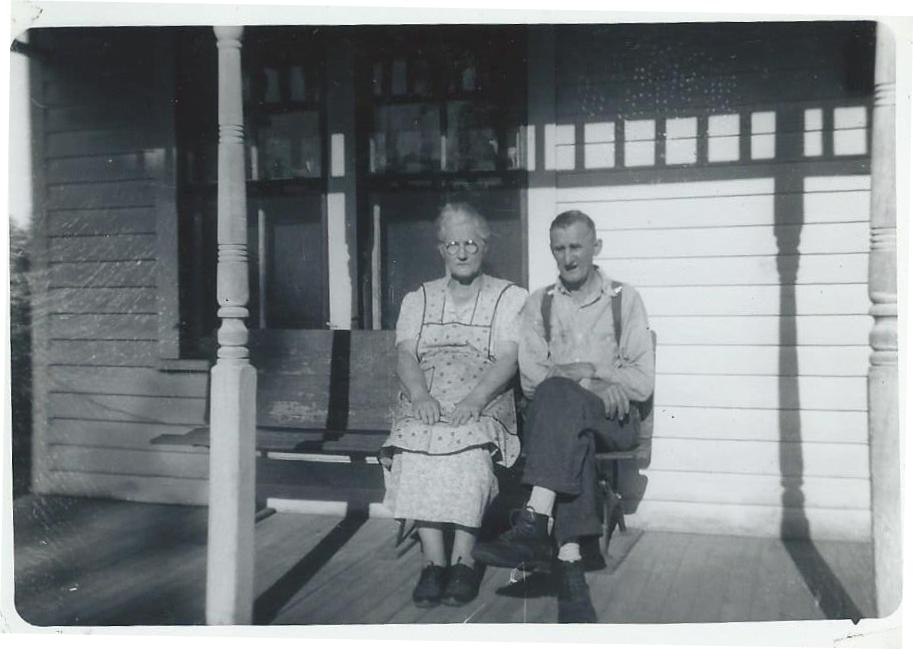
Picture of my Grandparents, Tina and August Rettammel, Sr
Time to think of the Past
Now that it is Fall and the leaves are dropping from the trees, I think it is a good time to start thinking about a family keepsake project that will keep you accompanied during the long winter days or even now as a Christmas present for family members. What items are these you might ask? Well photos, letters, albums or even that old box with a mix of items you inherited from a deceased relative years ago. A family archive is your collection of personal items that tell a story of the past. Just like leaves changing colors are a reminder of the vibrant shiny green of Summer.
If you need guidance in starting a family keepsake project, send me an email.
cyndi’s list of genealogy sites
Website
The Wisconsin Historical Society website has a new look – http://www.wisconsinhistory.org
An Interview with Paul Allen, Ancestry.com Co-Founder
I recommend reading this article, as Ancestry.com is such a part of the current genealogical research component. However remember not the only source for your family member(s) past.

 Many people in the genealogy business know Paul Allen, one of the two entrepreneurs who purchased a small book publishing company, called Ancestry Publishing, in 1997. They converted it into what has since become a multi-million dollar online powerhouse called Ancestry.com. Not bad for a man who started his career by studying Russian as an undergraduate at Brigham Young University with plans to become a professor, like his father.
Justin Heifetz of the Gallup Business Journal recently interviewed Paul Allen and his article is now available online at Gallup’s web site. In the interview, Paul describes his path from starting as a student in Russian, making several side trips into other business ventures, and eventually becoming a successful entrepreneur.
View original post 113 more words
Naturalization Process
Look for Naturalization records at various levels – state courts, county courts, and federal courts.
Complicated to find both intent and petition in one location. Why?
- A person could file Declaration of Intention in one court and years later file his Naturalization Petition in another court and possibly different location.
- 19th Century, wives and children received citizenship from their husband or father, so might find separate naturalization records
Hint: Chronology of the immigrant’s life, so you can identify possible locations the papers may be located
Declaration of Intent to become U.S. Citizen late 1800s
Intent to become a citizen of the U.S.
After a minimum of five years of residence in the country could make the Naturalization Petition for court to consider granting citizenship
On this form it lists the exact ship and date the immigrant(s) arrived, which can lead to Passenger List research
Becoming a U.S. citizen in the late 1800s
Federal Law create two-step process:
An immigrant filed a Declaration of Intention
Naturalization Petition – about five years (varied over time)
Vital Records
County records not necessarily in ancestry.com. At a recent local genealogy meeting I learned that most of the information is State level and not local or county records.
So there may be many other records that require a visit to a local county courthouse or Register of Deeds. You may wish to hire a genealogist to get those records for you.
 Rettammel Genealogy Service