
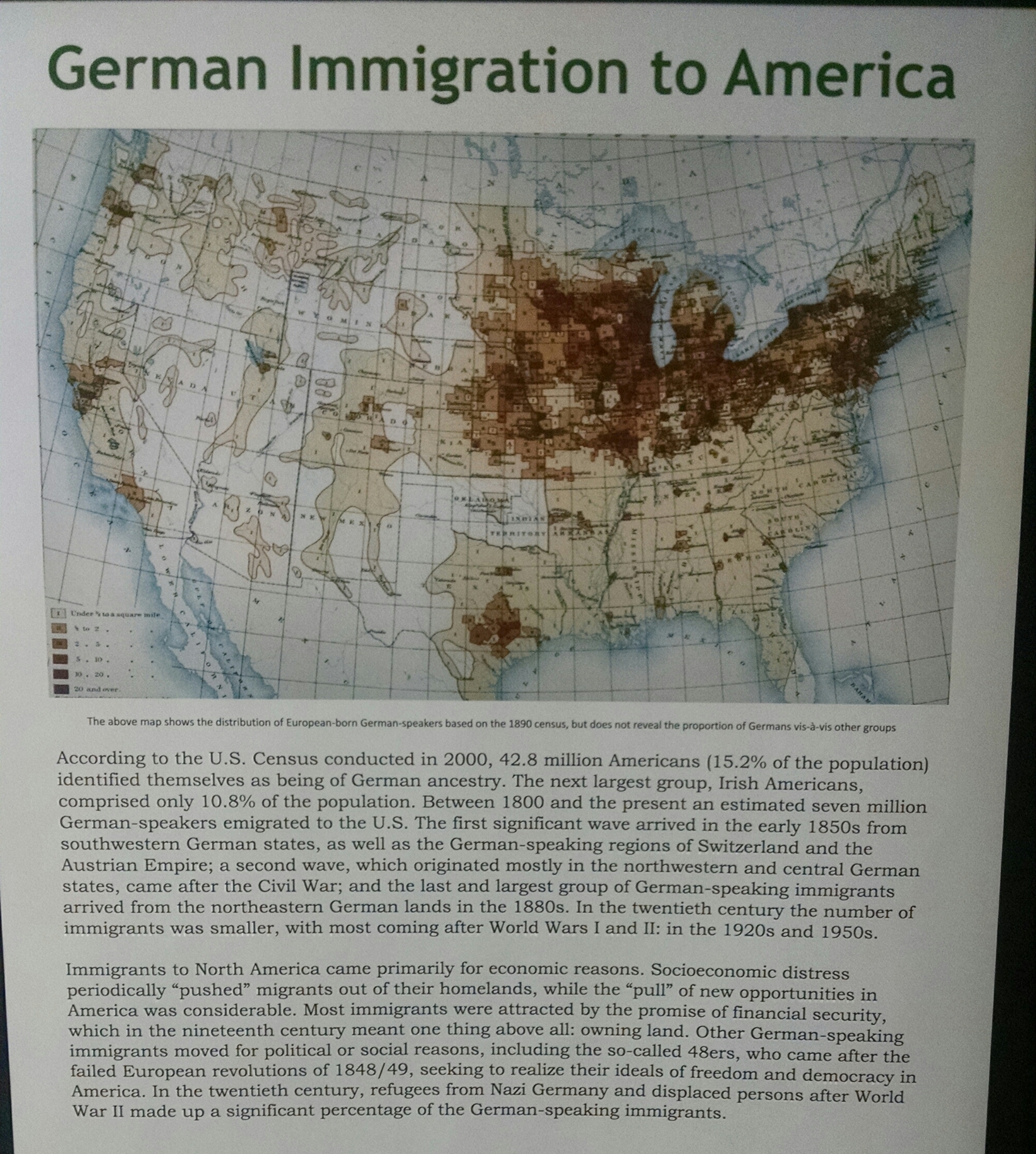
Thanks to Max Made Institute at UW-Madison for picture of their poster.
Thanks to Max Made Institute at UW-Madison for picture of their poster.

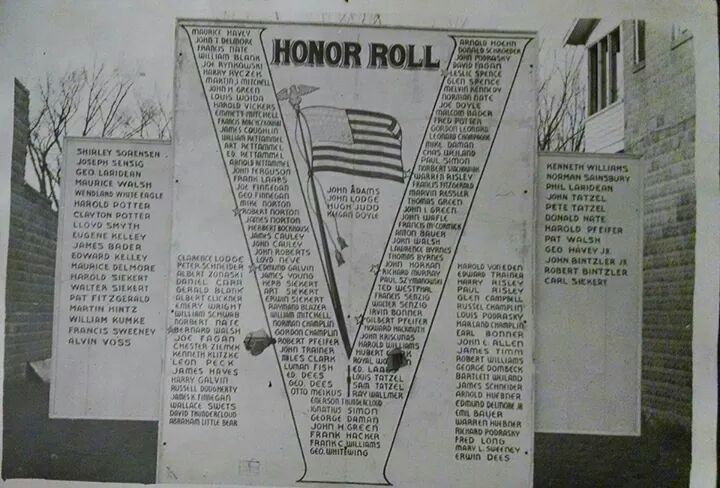
Honor roll in 1945, Lyndon Station, WI. Left part of V inside are listed 4 of my Uncles, Art, Ed, Bill and Arnie. Rettammel brothers in WWII.


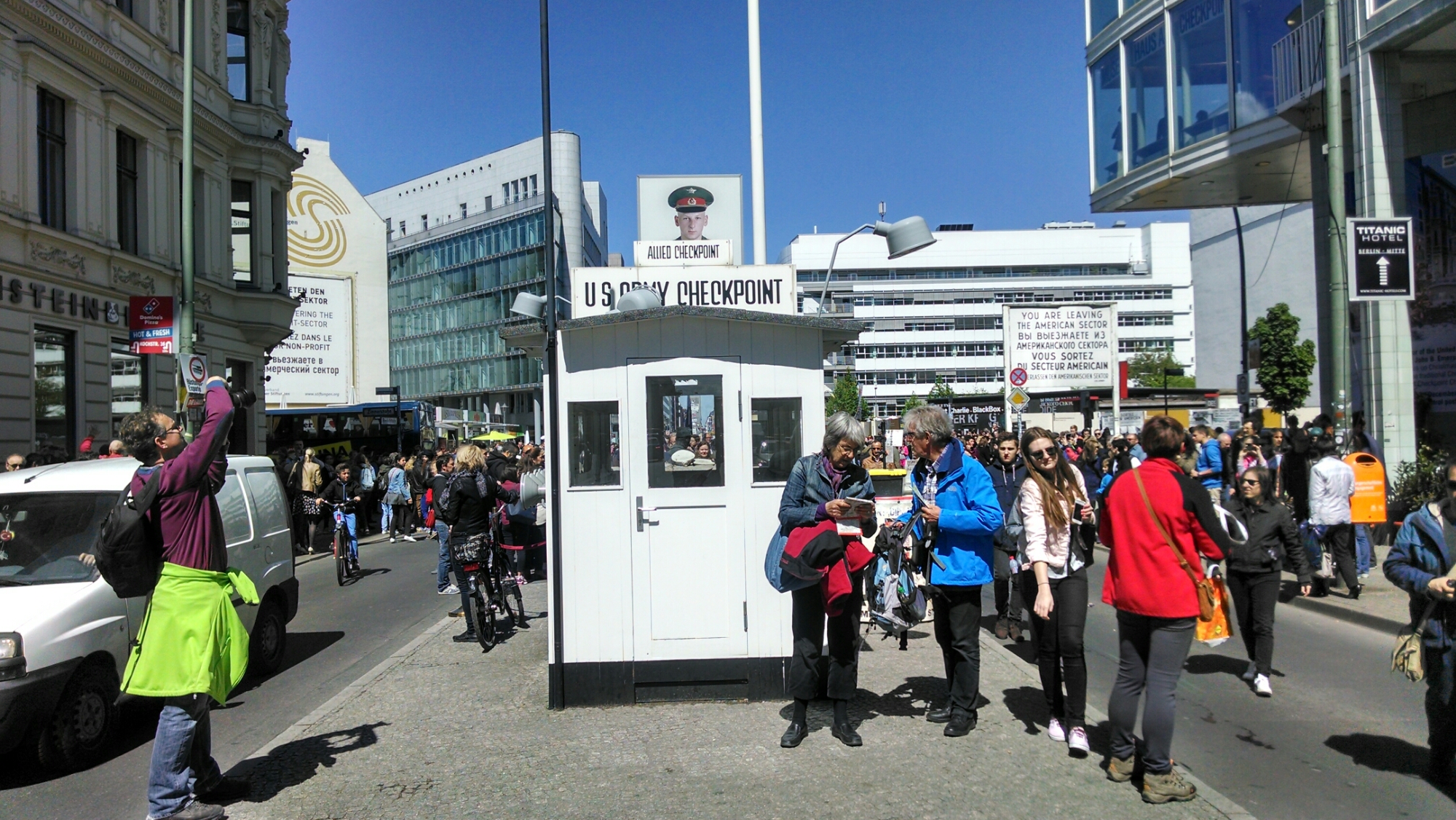

Twenty-five (25) years ago today the Berlin Wall started to crumble. My recent visit in Spring 2014. Think of those that died trying to get through.
On Friday night the Max Kade Institute for German American Studies at UW Madison had a reception at their new location inside the University Club. It was an interesting evening meeting fascinating people and learning alot. The new location upstairs is spacious and the layout looks comfortable to meet with very nice staff to conduct research.
This former maritime province of Germany is situated on the southern Baltic coast. The area was settled by the Slavic tribes Pomorzanie and Polabs in the 5th century AD. German migration into the western and central regions of Pomerania began in the late 12th century. In 1648, Sweden acquired western Pomerania (Vorpommern) by the Treaty of Westphalia, part of which was returned to Brandenburg in 1720. In 1815, Prussia recovered the rest of western Pomerania, thus uniting it with central Pomerania into one province called Pommern. Eastern Pomerania (Hinterpommern) was annexed by Prussia in 1772. In 1919, the Treaty of Versailles created the Polish Corridor, dividing Prussia and leaving part of Pomerania as a German border province with an area of 11,644 sq. miles. In 1945, it was partitioned into two areas separated by the Oder River. Most of the territory west of the Oder River was designated as part of Mecklenburg and thus part of the Soviet zone of occupation, which later became the German Democratic Republic (Deutsche Demokratische Republik), also known as East Germany. Stettin (Szczecin) and the territory east of the Oder River was ceded to Poland.
Source: Max Kade Institute Researchers
Going to the Open House reception tomorrow for the “new” location of the Max Kade Institute for German-American Studies.
From the institute website:
The Max Kade Institute (MKI) at the University of Wisconsin-Madison is part of the College of Letters and Science; it is governed by an Executive Committee and has an Advisory Committee. MKI receives critical support from an active and growing Friends organization. The Institute has an administrative staff which includes a Director, Assistant Director, Librarian, clerical staff and numerous graduate and undergraduate students as well as volunteer help.
Our Institute is named after Dr. h.c. Max Kade (1882-1967). After emigrating from Schwäbisch Hall, Germany to New York City in 1905, he became successful and well known in the pharmaceutical industry. Dr. Kade established a foundation in New York to promote scientific and technical progress and to further the peaceful coexistence of nations. He was also committed to advancing German-American relations. The initial grant to found our Max Kade Institute was made by the President of the Max Kade Foundation of New York, the late Dr. Erich Markel, in 1983.
The Institute’s mission is twofold: first, scholarly research and documentation; and second, outreach to a broader audience. Ongoing research involves faculty and students from many departments (as well as visiting scholars) examining how German-speaking immigrants and their descendants have both shaped their North American environment and been shaped by it. Outreach efforts center on bringing a better understanding of issues of German-American immigration, history, culture, and language to a general public as well as to school children.
The MKI is housed in the “Keystone House,” a historical stone-and-wood dwelling situated at the west edge of the campus. The house was purchased by the Wisconsin Alumni Research Foundation in 1967 and given to the University. The dwelling, originally a private residence built in 1853, has been converted into small meeting rooms, a library and offices without diminishing the charm of the historical structure. The Dane County Historical Society of Wisconsin lists the “Keystone House” on its register of historical homes deserving preservation.
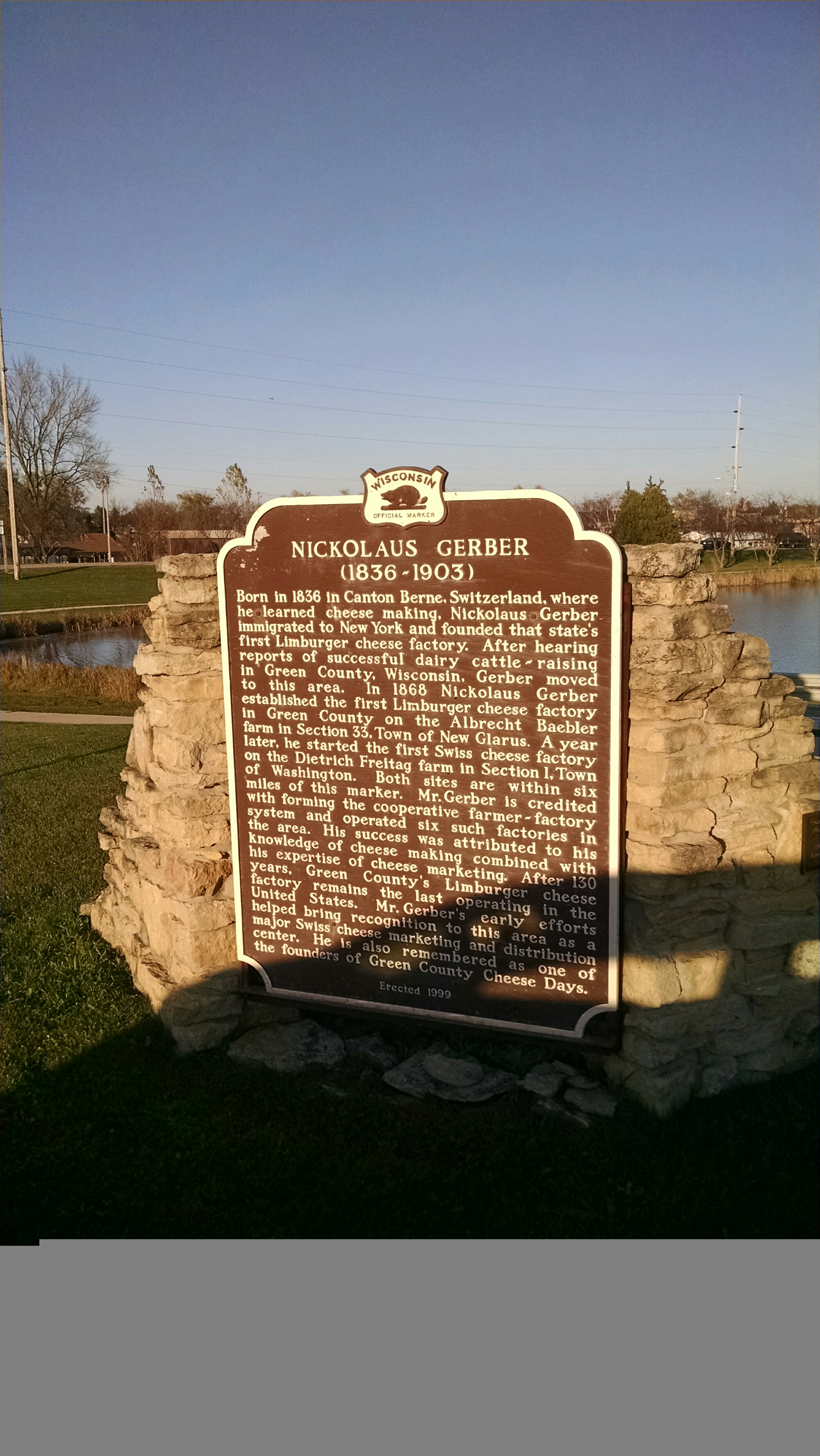
Limburger cheese was a favorite of my Grandpa Maas and also my Dad, August H. Rettammel, Jr.
Good afternoon. Recently I was in the Mineral Point, WI., “The Foundry Books”. A small bookstore, privately owned but for those who like to find small treasures, it is wonderful!
I found some small items to assist in my genealogical service for you.
Some 20 years ago, two women whose great-great-grandparents (paternal side) Zastrow came to settle in Wisconsin in mid-1800s, put together a wonderful resource of our 72 counties with township relationships, along with history of county formations and information on earliest registration of vital records: Birth, Marriage and Death. I thank the authors Wendy and Linda for taking the time to put together this valuable information.
In the beginning, prior to 1836 there was the Wisconsin Territory: present Wisconsin, Minnesota, Iowa and parts of the Dakotas. {Of course I recognize that our Native American populations have been in these locations for centuries before these type of Western Divisions were put on paper.} By 1836 Wisconsin by itself had 4 counties: Crawford, Iowa, Brown and Milwaukee. Each of these were great areas of land that incorporated areas divided by the Mississippi to Wisconsin River, and the Wisconsin River to Lake Michigan. By the time we became a state in 1848, Wisconsin had about 31 counties and then 58 counties in 1860 to final 72 counties in 1961.
 Rettammel Genealogy Service